

Hey there! As a supplier of Ball Mill Liner, I often get asked a bunch of questions about ball mill liners. One question that pops up quite a lot is, “Can a ball mill liner be adjusted during operation?” Let's dig into this topic and see what's what.
First off, let's talk about what a ball mill liner is and why it's so important. A ball mill liner is a crucial part of a ball mill. It lines the inside of the mill, protecting the mill shell from wear and tear caused by the grinding media and the material being ground. It also plays a big role in the grinding process, affecting how the grinding media moves and interacts with the material.
Now, the idea of adjusting a ball mill liner during operation sounds kind of appealing, right? You might think, “Hey, if I could just tweak the liner a bit while the mill is running, I could optimize the grinding process on the fly.” But here's the thing – it's not that simple.
The Challenges of Adjusting a Ball Mill Liner During Operation
There are several reasons why adjusting a ball mill liner during operation is a tricky business. First of all, safety is a major concern. Ball mills are large, powerful machines that operate at high speeds. Trying to make adjustments while the mill is running puts workers at a serious risk of injury. There's a lot of moving parts and heavy equipment involved, and even a small mistake could lead to a big accident.
Another challenge is technicality. Ball mill liners are designed to fit snugly against the mill shell. They're usually bolted or welded in place to ensure a secure fit. Making adjustments during operation would require accessing these fasteners and making changes to the liner's position, which is extremely difficult to do safely and accurately while the mill is in motion.
The abrasive nature of the grinding process also poses a problem. The inside of a ball mill is a harsh environment, filled with abrasive particles and high levels of vibration. Any adjustment made during operation could be quickly undone by the forces at work inside the mill. This means that even if you were able to make an adjustment, it might not last long enough to have a meaningful impact on the grinding process.
Situations Where Adjustment Might Seem Necessary
Before we write off the idea of adjustment completely, let's look at some situations where it might seem like adjusting the liner during operation would be a good idea.
One common reason is to optimize the grinding efficiency. As the mill operates, the liner wears down over time. This can change the way the grinding media moves and interacts with the material, potentially reducing the grinding efficiency. In theory, adjusting the liner to compensate for this wear could help maintain the optimal grinding conditions.
Another situation is when there are changes in the material being ground. Different materials have different properties, such as hardness and particle size. These properties can affect the way the grinding media and liner interact. If the material being ground changes, it might seem like adjusting the liner could help adapt the mill to the new material.
Alternative Solutions
While adjusting a ball mill liner during operation is generally not a good idea, there are alternative solutions that can help achieve similar goals.
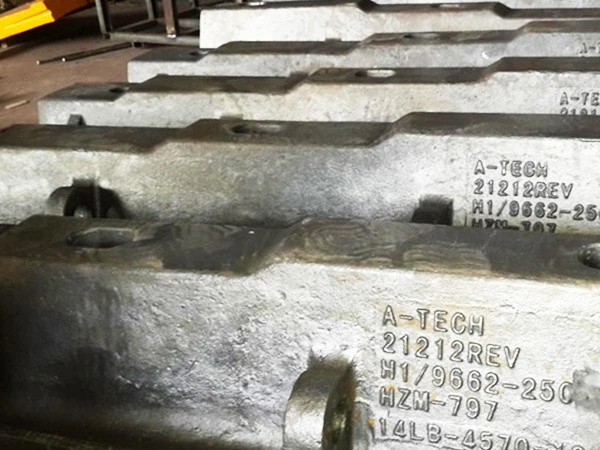

Regular maintenance and inspection are key. By regularly checking the condition of the liner, you can identify signs of wear and make adjustments during scheduled downtime. This allows you to make the necessary changes in a safe and controlled environment.
Using high-quality liners can also make a big difference. Liners made from materials like Mill Liner Cr-mo Steel are more resistant to wear and can maintain their shape and performance for longer periods of time. This reduces the need for frequent adjustments and helps ensure consistent grinding efficiency.
In some cases, you might also consider using adjustable components in the mill design. For example, Spring Plate can be used to provide some flexibility and allow for minor adjustments without having to stop the mill. These components can be adjusted during downtime to optimize the mill's performance.
The Role of Different Types of Liners
There are different types of ball mill liners available, each with its own characteristics and applications. For example, Sag Mill Liner is designed for use in semi-autogenous grinding (SAG) mills, which are used for grinding large chunks of ore. These liners are typically thicker and more robust to withstand the high impact forces in SAG mills.
Discharge Cooler Grate is another type of liner that is used in the discharge section of a ball mill. Its main function is to separate the grinding media from the ground material and allow the material to pass through while retaining the media inside the mill. These grates can also have an impact on the overall performance of the mill, and their design and installation can be optimized to improve efficiency.
Conclusion
So, to answer the question “Can a ball mill liner be adjusted during operation?” – in most cases, the answer is no. The safety risks, technical challenges, and the harsh operating environment make it a very difficult and dangerous task. However, there are alternative solutions available that can help optimize the grinding process and maintain the performance of the mill.
If you're in the market for high-quality ball mill liners or need more information about how to optimize your grinding process, don't hesitate to reach out. We're here to help you find the best solutions for your specific needs. Whether you're dealing with a small-scale grinding operation or a large industrial plant, we've got the expertise and the products to support you. Contact us today to start a conversation about your ball mill liner requirements.
References
- "Ball Mill Liners: Design and Application" - A technical guide on ball mill liners and their design considerations.
- "Grinding Technology Handbook" - A comprehensive resource on grinding processes and equipment, including ball mills.
- Industry research reports on ball mill performance and optimization.